MATERIALS ・ Know your stones
Three kinds of light, three personalities
The soft glow of pearl, the fire of diamond, the colour of corundum. Learn how each material forms, how to look at it, and how to care for it once you wear it.
01 ・ PEARL
Pearl · Soft glow
No polishing needed. Naturally round.
Layer by layer, a glow slowly wrapped by the mollusc.
In one sentence
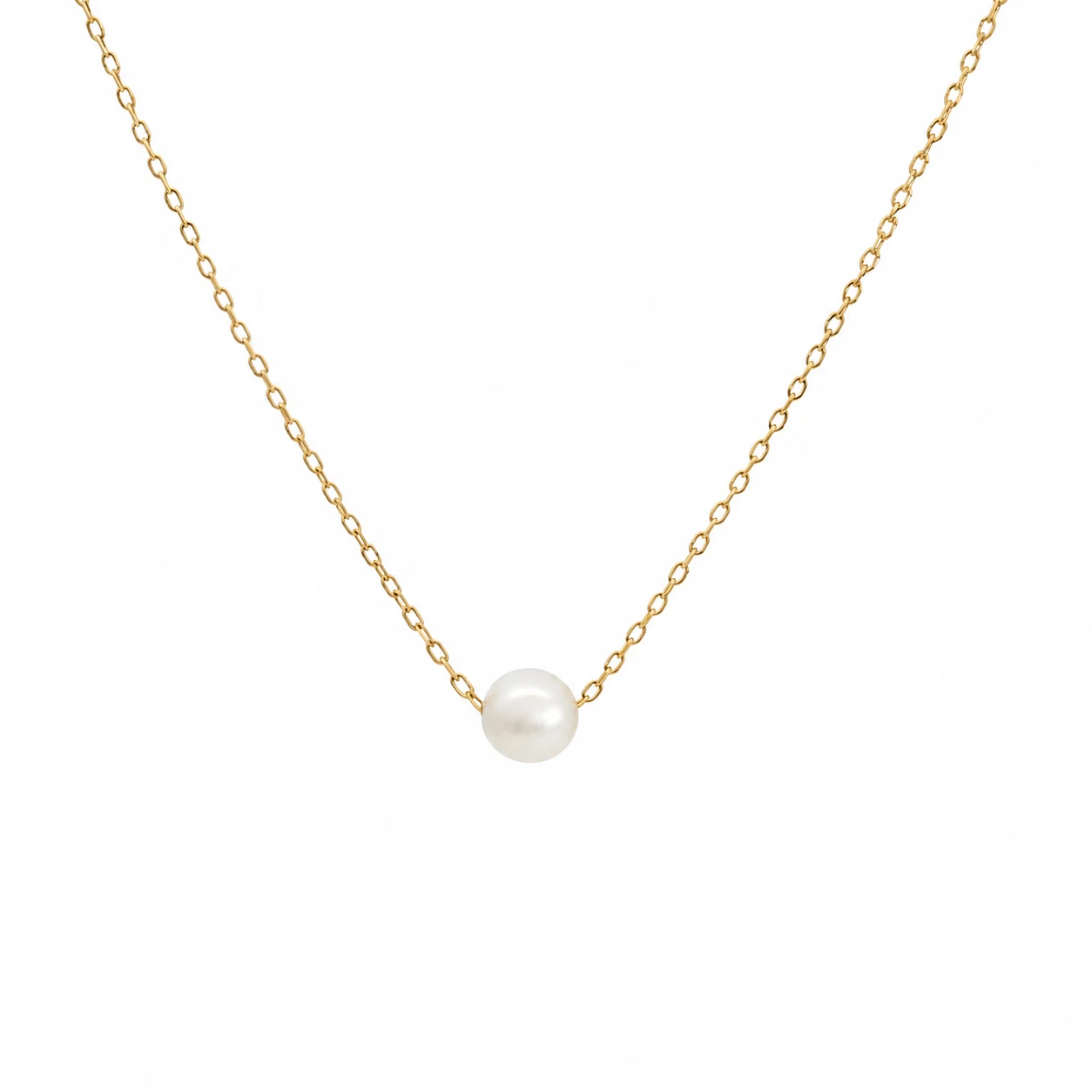
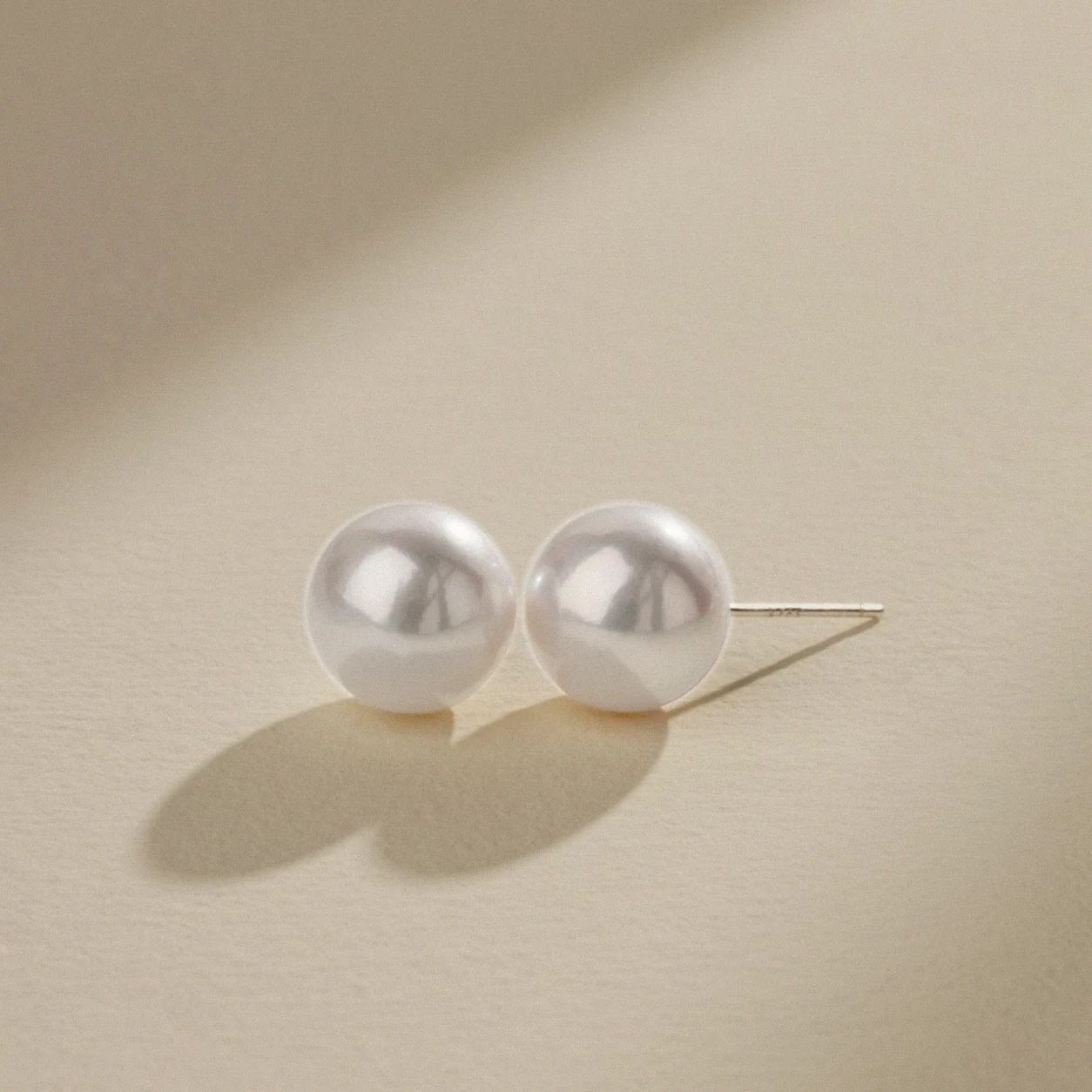
A pearl is an organic gem formed when a mollusc wraps a foreign object in layer after layer. It does not rely on cutting to shine; its soft lustre comes from the many-layered structure of its surface.
Best for: Those who want something gentle, clean and easy to pair every day
Nucleus
How a pearl grows
- 1A foreign object enters the shell
In cultured pearl farming, a small bead nucleus and a piece of mantle tissue are placed inside the mollusc to start the pearl’s growth. - 2The mollusc wraps it layer by layer
The mantle tissue forms a small sac and secretes nacre that slowly coats the nucleus, each layer extremely thin. - 3Time builds the lustre
The more evenly and the more thickly it is coated, the softer and brighter a pearl’s lustre usually is.
Five things to look at when choosing pearls
No special equipment needed. Look at lustre and surface first, then choose the size and colour you like, and you will tell most of the difference.
01LustreLook at how much the surface resembles a soft, bright mirror. This is the most direct factor in how bright a pearl looks.
02NacreThe thicker the nacre, the softer the lustre and the more durable the pearl.
03SurfaceCheck for obvious spots or dents. Tiny markings are natural features.
04ShapeRound, near-round or baroque, each has its own character. Choose by taste.
05Size & colourSize affects presence. White, cream, pink and other tones can be chosen to suit your skin tone and outfits.
Three common types of pearl
RIUNE mainly uses Akoya for now. The table below is a general guide; see each product page for actual sizes and specifications.
| Akoya pearls (used by RIUNE) | Freshwater pearls | South Sea pearls | |
|---|---|---|---|
| Where they are farmed | Saltwater, mainly in Japan, Vietnam and China | Rivers, lakes and ponds, mainly in China | Saltwater, mainly in Australia, Indonesia and the Philippines |
| Typical size | Mostly 6–9 mm | Mostly 6–12 mm | Mostly 8–18 mm, the largest |
| Lustre | Sharp, mirror-like brightness | From soft satin glow to bright | Soft satin glow with thick nacre |
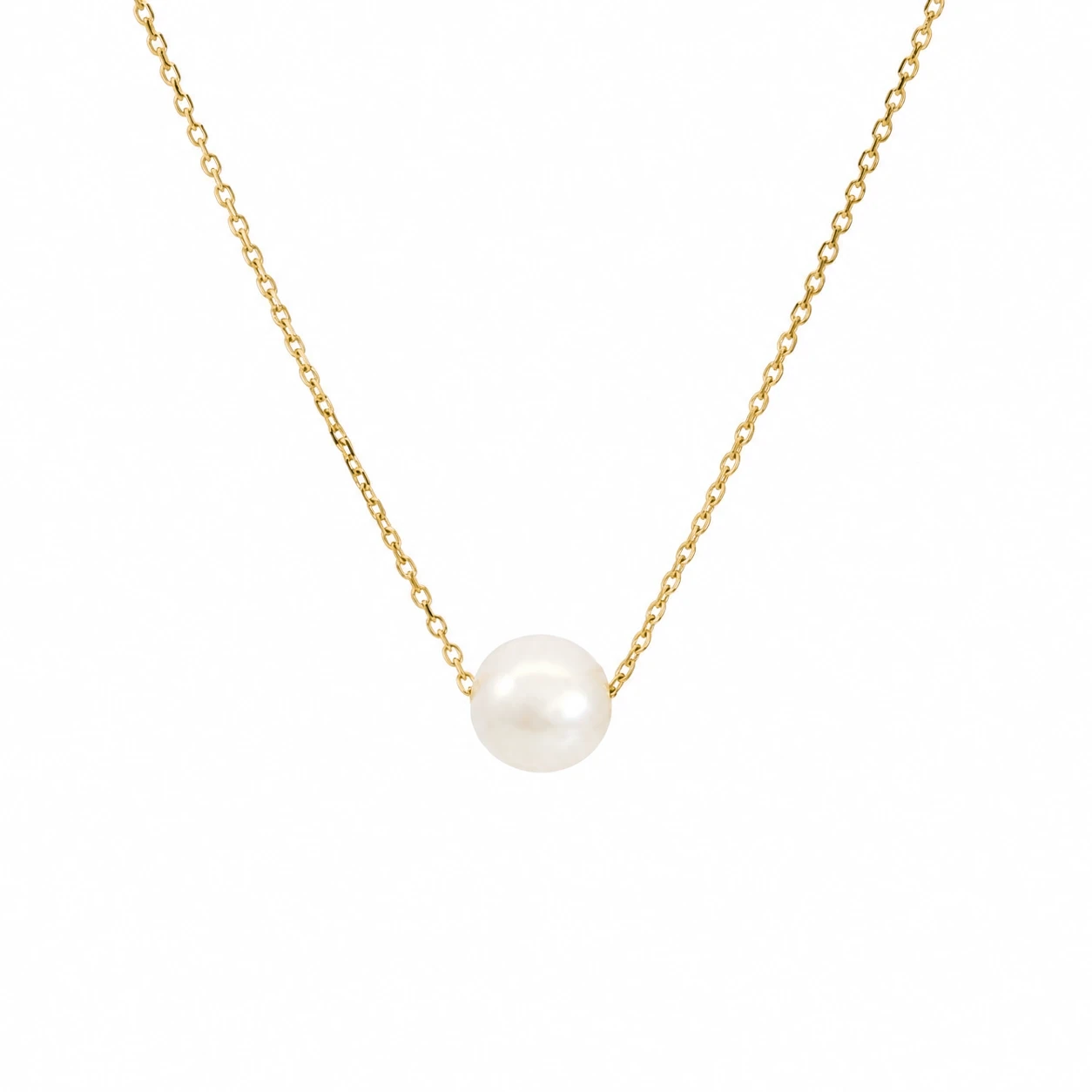
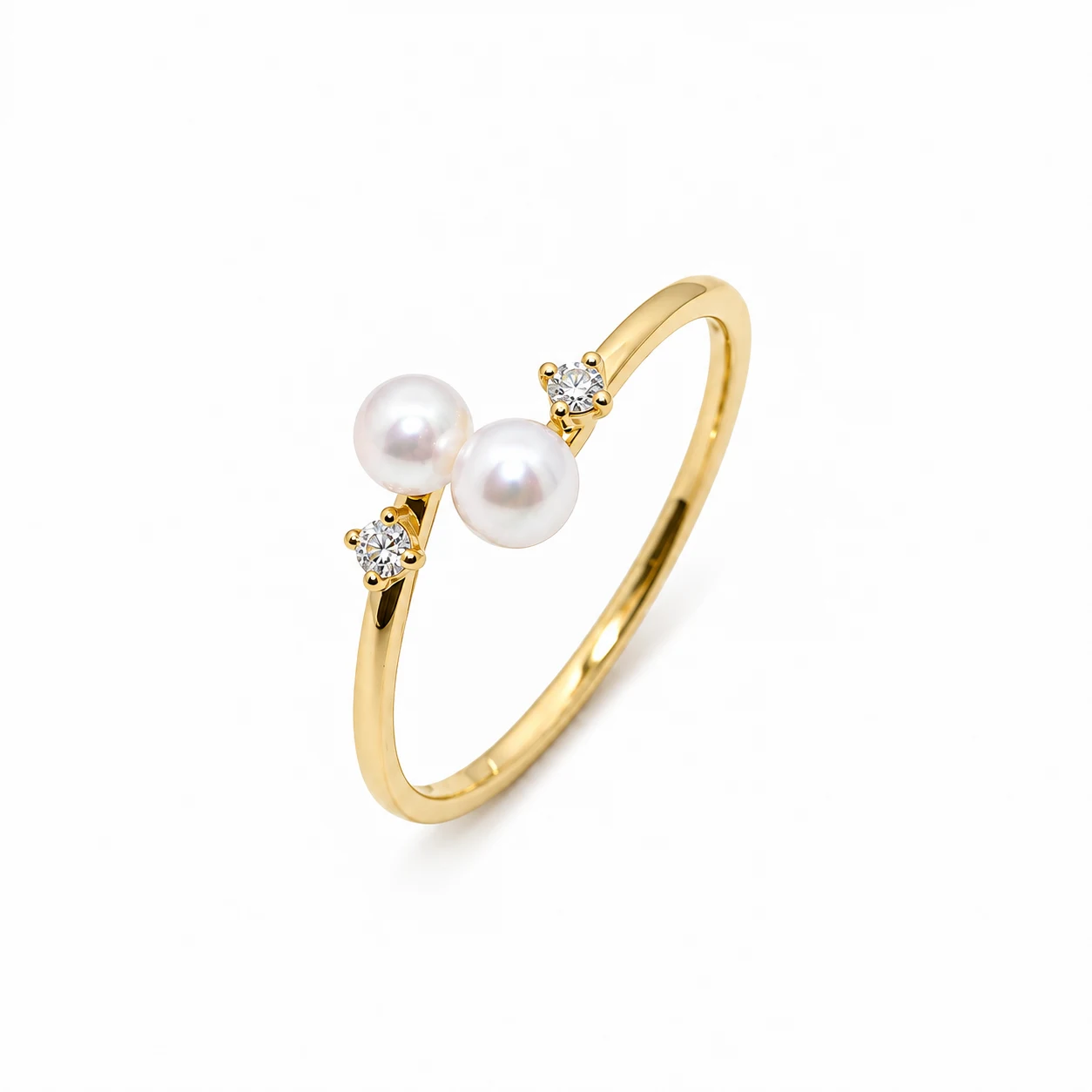
RIUNE pearl pieces
See all pieces →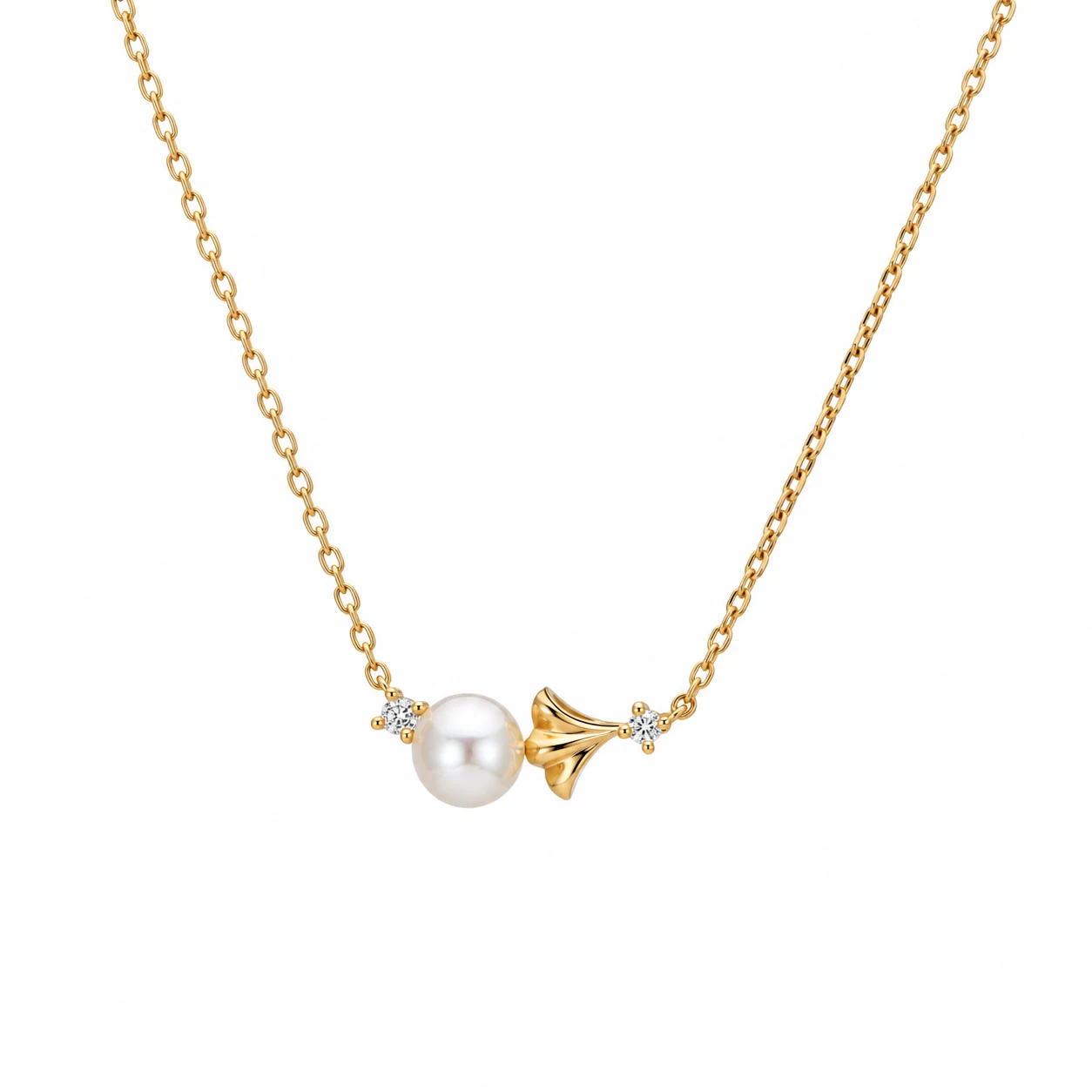
Three steps for everyday pearl care
Put on last, take off first: pearls dislike acids and perfume, so apply perfume and finish your hair and makeup before wearing them.
Wipe dry gently after wearing, with a clean, soft, lint-free cloth. Do not use toothpaste or abrasive powder.
Store separately from harder jewellery to avoid scratching the surface.
Read the full care guide02 ・ DIAMOND
Diamond · Fire
Hidden deep underground, then cut and polished,
to give the light back to you in rays.
In one sentence
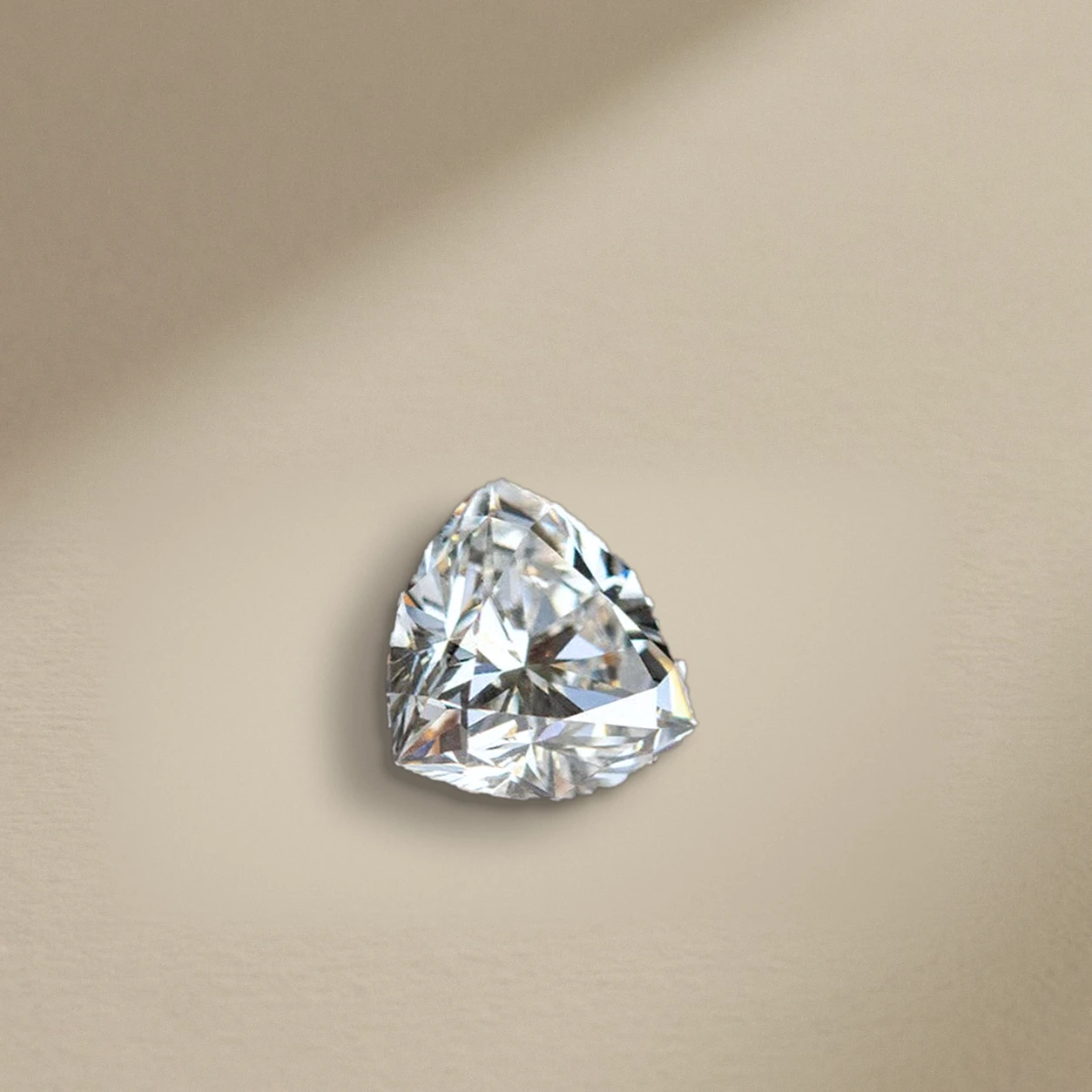
Diamond is made of carbon and is one of the hardest natural materials known. Much of its beauty comes from the cut: when it is cut well, light enters, bends, and returns to your eyes as sparkle.
Best for: Those who want something sharp, with presence, that lasts for years
Diamond 4Cs at a glance
The 4Cs are the shared language of diamonds worldwide. Remember these four and you will not get lost reading reports or comparing prices.
01CaratA unit of weight: 1 carat = 0.2 grams. A higher carat weight does not always look bigger, so check the dimensions too.
02ColourGraded from D (colourless) to Z, it measures how much pale yellow or brown tint is present. The more colourless, the clearer the stone.
03ClarityHow many internal and surface features there are. Most tiny features cannot be seen with the naked eye.
04CutProportions and symmetry decide how much a diamond sparkles.
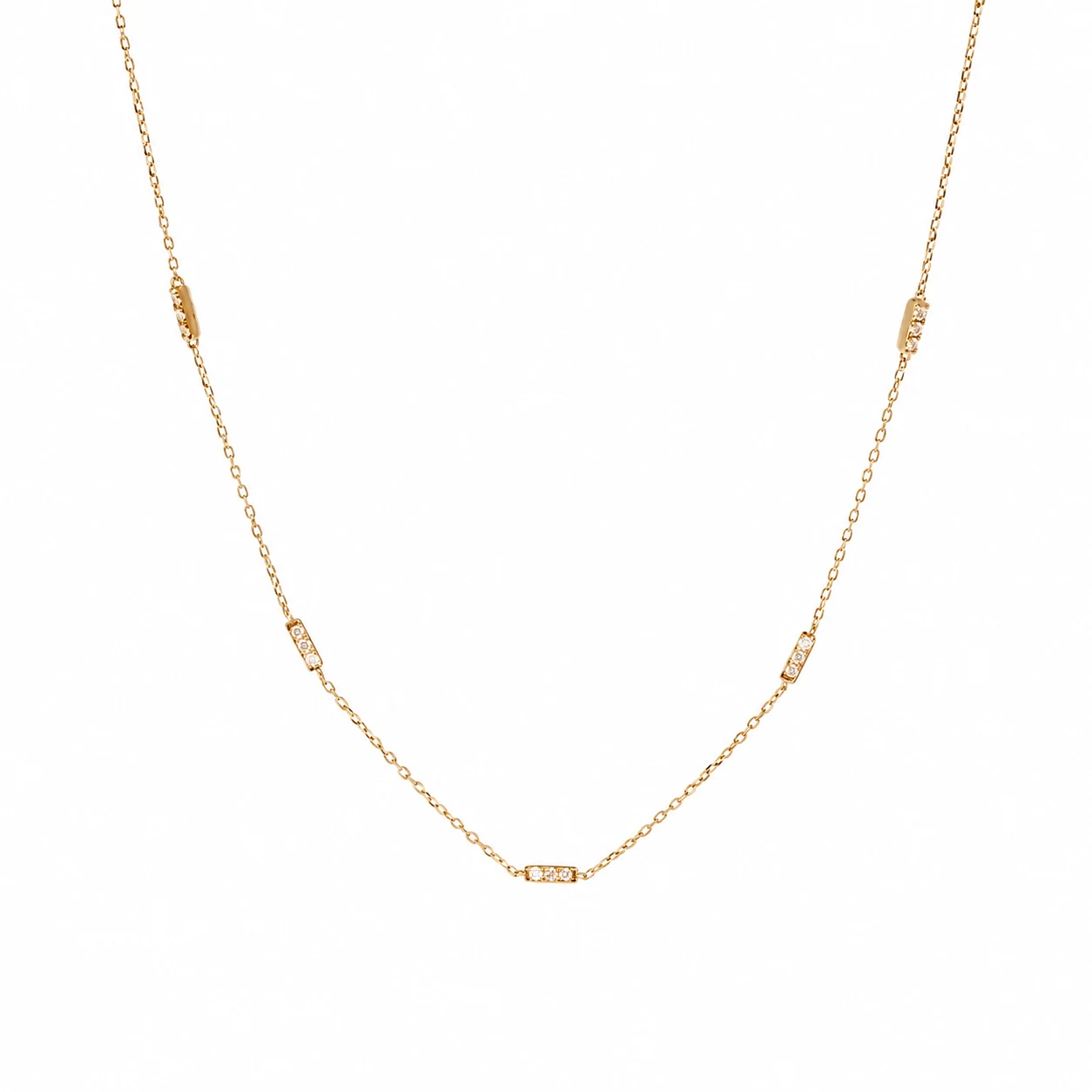
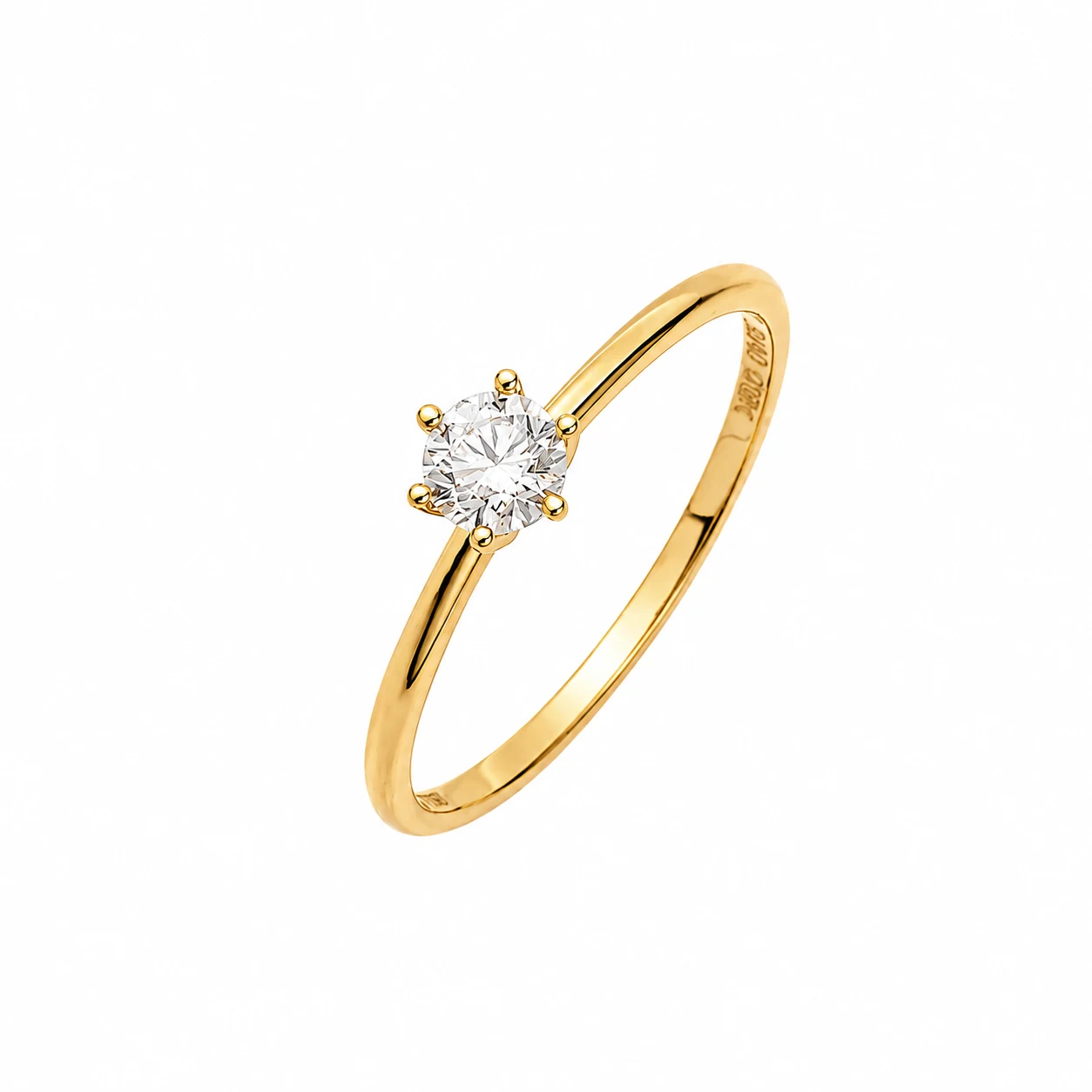
RIUNE diamond pieces
See all pieces →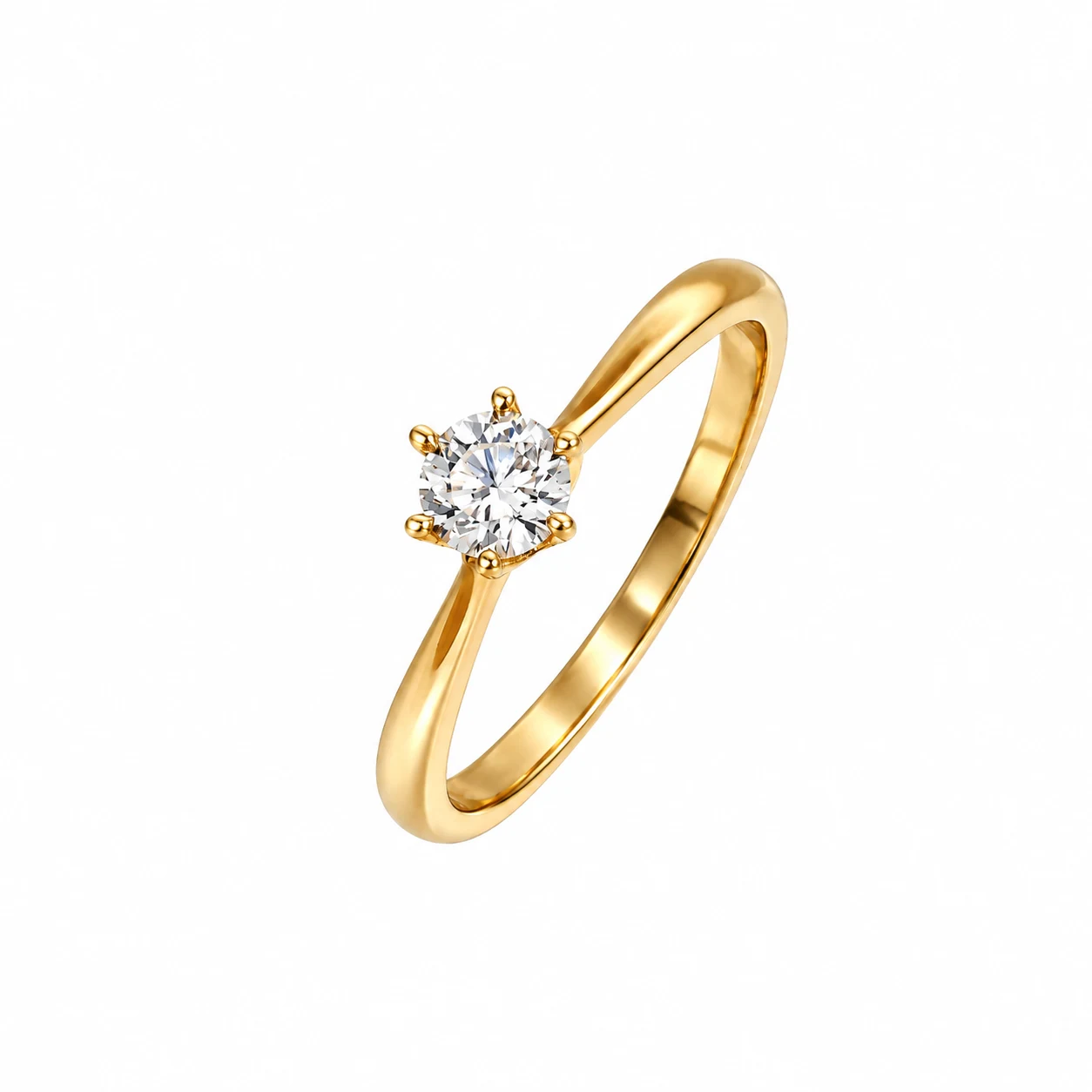
03 ・ CORUNDUM
Corundum · Color
One family, a thousand colours.
Red is fiery, blue is deep, purple and green are quiet.
In one sentence
Corundum is the name of the mineral. Red corundum is called ruby, and corundum in other colours (most famously blue) is called sapphire, so purple and green corundum belong to the same family.
Best for: Those who want a touch of colour in daily life, and durability too
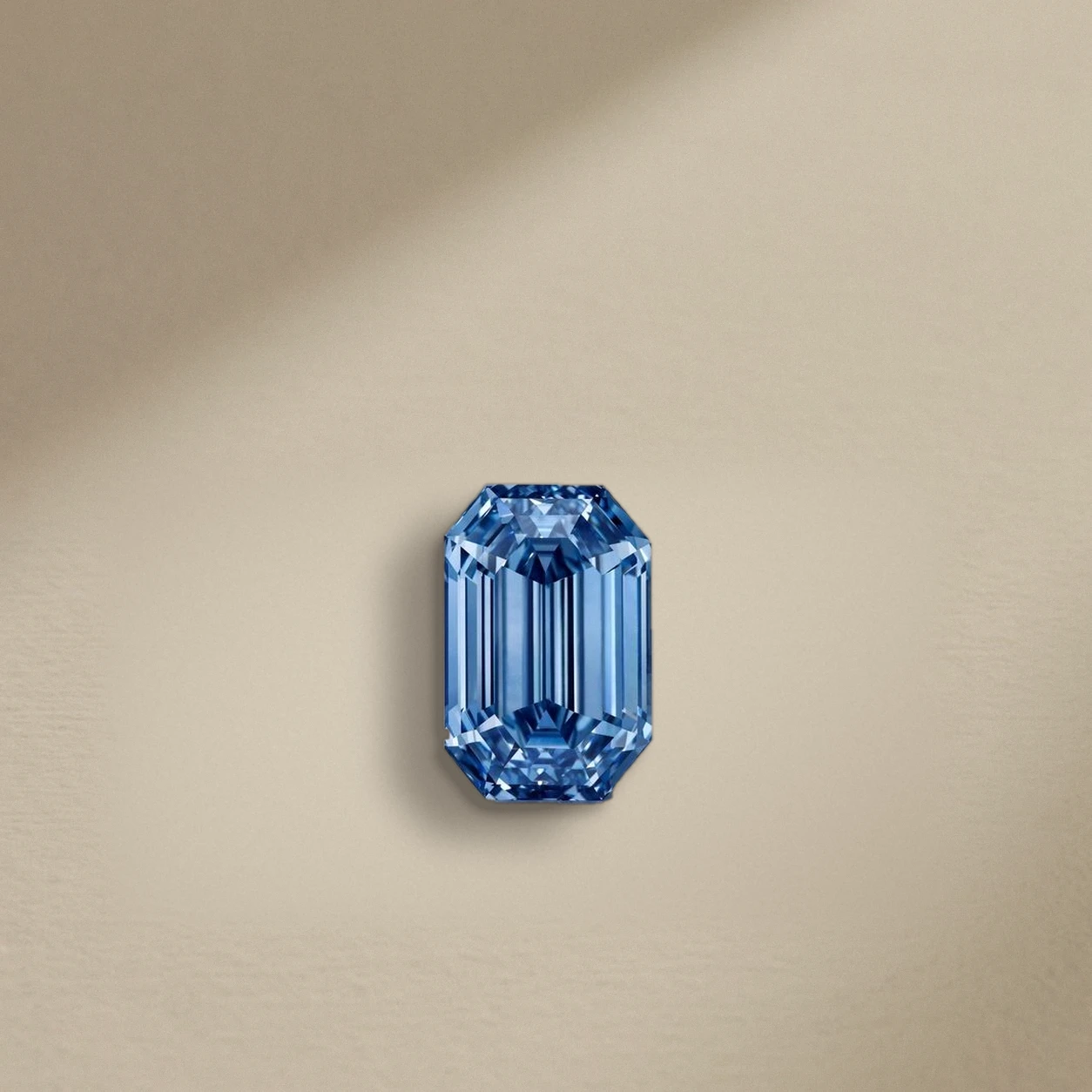
Colours of the corundum family
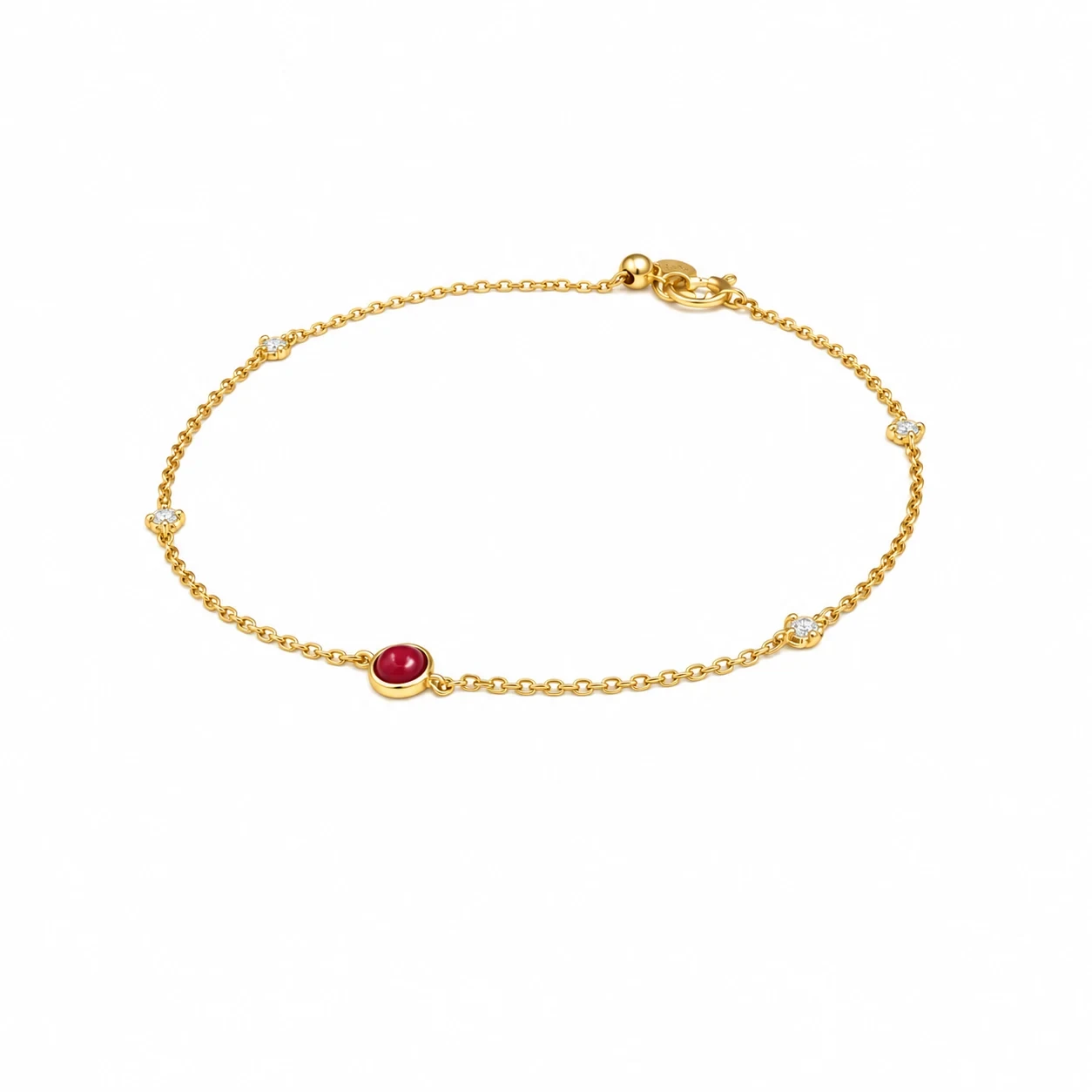
RubyRed corundum, rich and fiery in tone.
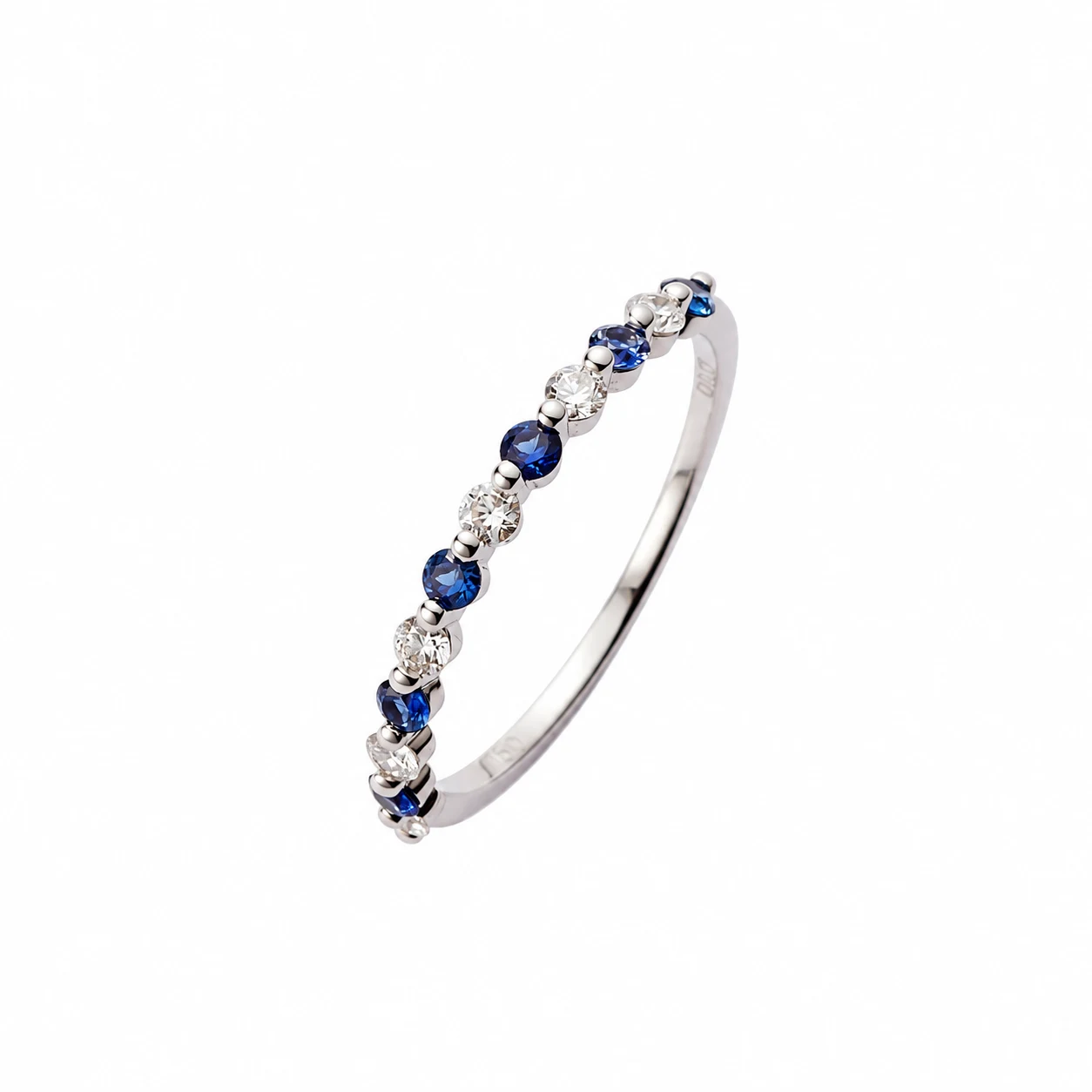
SapphireThe best-known colour of corundum, from pale to deep blue.
Purple corundumA quiet purple. RIUNE has a purple corundum necklace.
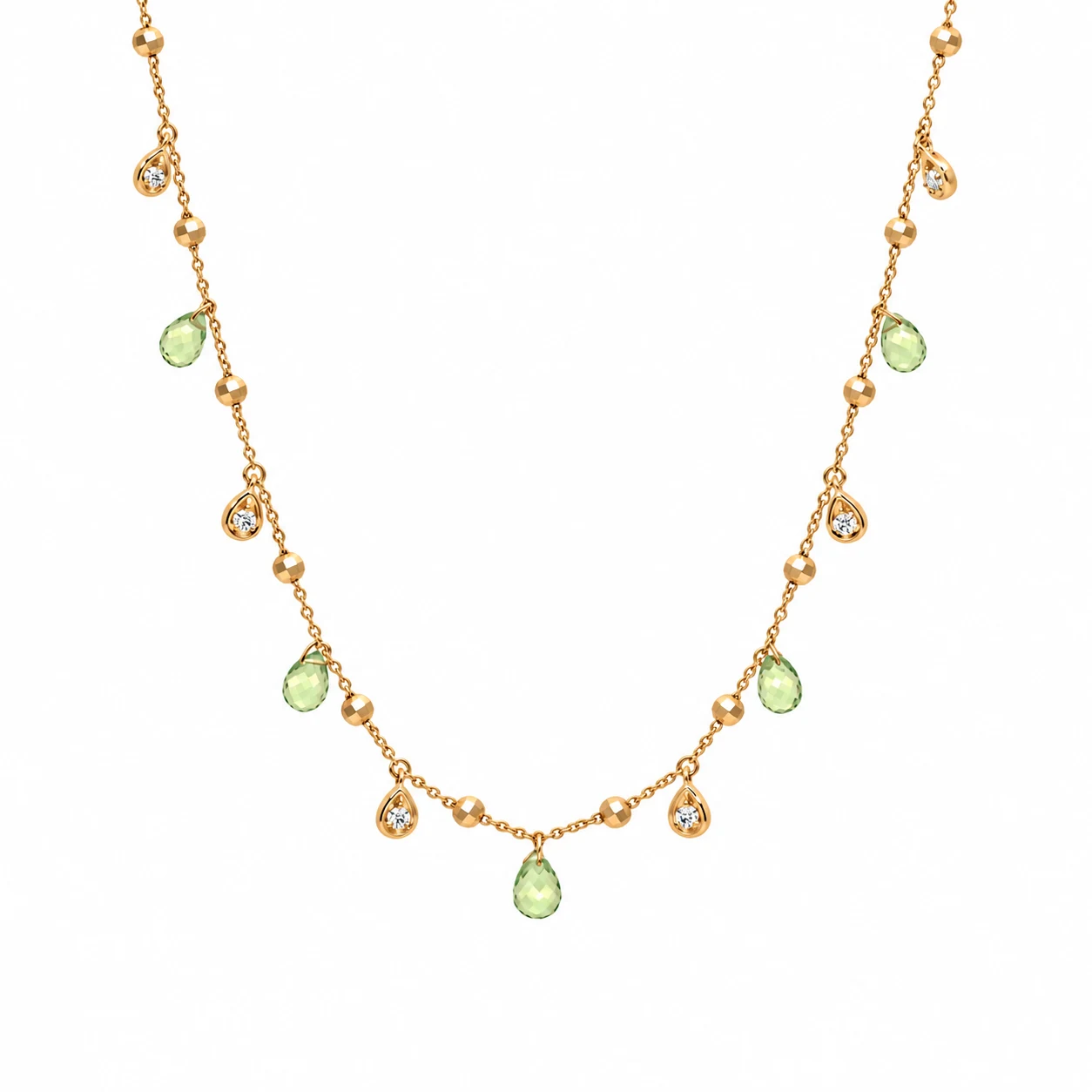
Green corundumA fresh green. RIUNE has a green corundum necklace.
RIUNE corundum pieces
See all pieces →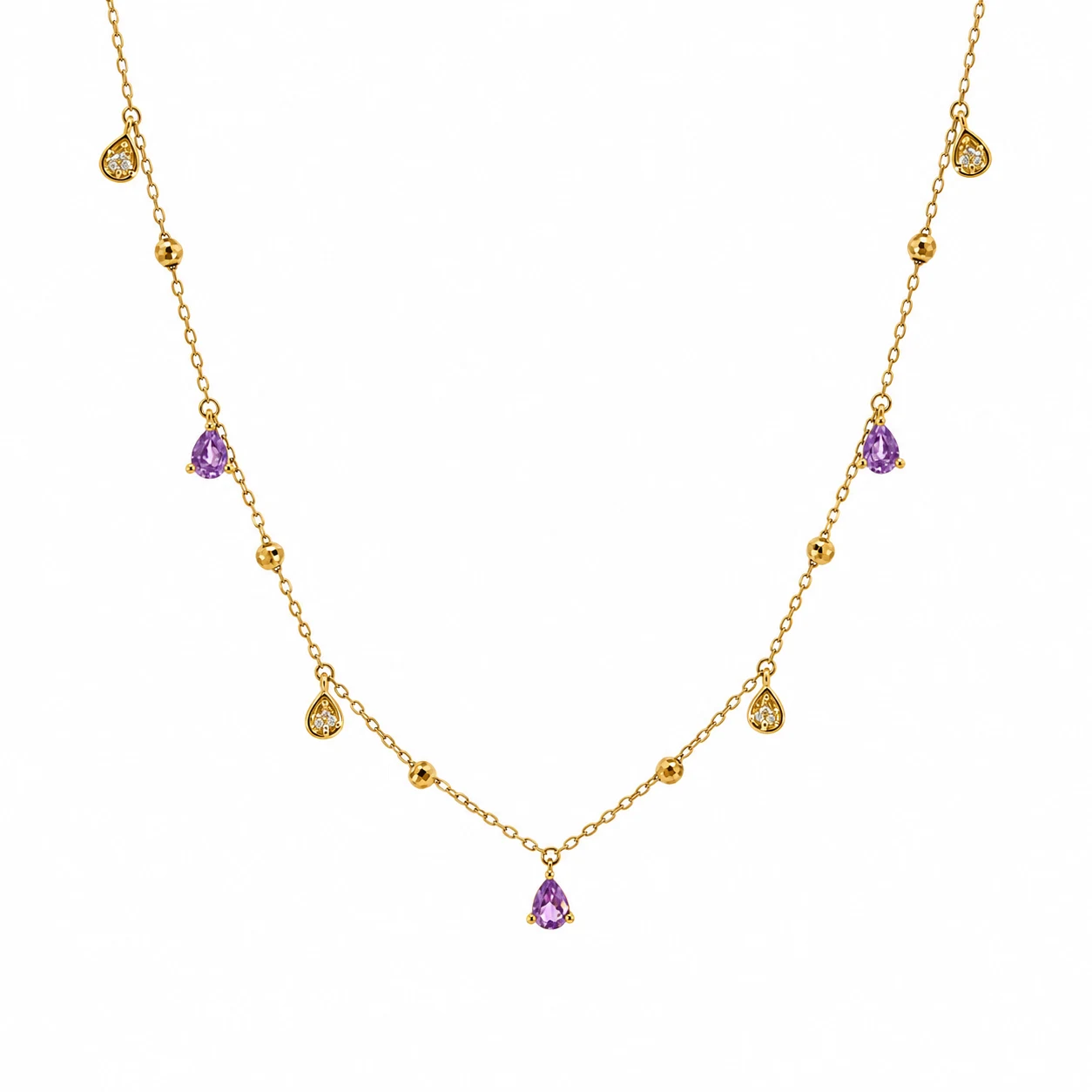
Three materials in one table
Still deciding? Compare by the feeling you want and the life you lead.
| Pearl | Diamond | Corundum | |
|---|---|---|---|
| Character of light | Soft glow, warm | Fire, sparkle | Colour, depth |
| Hardness (Mohs, for reference) | Softer, about 2.5–4 | Hardest, 10 | Very hard, 9 |
| Best for | Commuting, daily wear, formal occasions | Long-term wear, anniversaries | Everyday wear with a touch of colour |
| Care tips | Avoid perfume and acids; wipe dry after wearing | Clean regularly and check the prongs | Rinse gently in clean water; avoid knocks |
Not sure which suits you?
Tell us how you will wear it and your budget, and we will help you choose.